

by Seanzor
Shosin (初心), a concept that comes from Zen Buddhism, is a headspace where you approach all things with a beginner’s mind. It doesn’t matter if you’ve done the thing once or you’ve done it ten thousand times, you continue to approach things with openness, eagerness, lacking hubris and without the preconceptions of expected outcomes. Some of us have been in this hobby for years, decades even, and in being around something for so long have basically started to take it for granted. You have essentially “solved” what the hobby can offer you and there is an inability to look outside your bubble. Pull out a needle and pop that bubble. Let’s fuckin go.
In the world of miniature painting, there’s a multitude of scales to choose from, ranging from tiny 6mm figures to larger 1:8th scale models and everything in between. While it’s tempting to stick to one scale, experimenting with different sizes can significantly boost your artistic skills and broaden your horizons. Let’s delve into the advantages of painting miniatures at various scales and how it can be a transformative experience for hobbyists.
Understanding Scale

A Solid Spread of Scales to Paint
Scale in miniature modeling refers to the size of a model in relation to its real-life counterpart. Common scales include 28mm, 15mm, 10mm, and even 6mm. Each scale presents unique challenges and opportunities for painters. Most Warhammer models are in the 28-32mm realm, with some of the larger god models and such heading into 54mm+ range. So even if we are only playing Age of Sigmar, we effectively have about 7 different “scales” that we are painting at. Orruks paint differently than Gitz, which paint differently than Mega Gargants, which paint differently than a god model. There’s heaps we can learn from any scale.
I find it useful to think in terms of these categories:
- Lil Guys: Gribblies / Base Critters / Nurglings
- Big Lil Guys: Gitz / Skinks / Skaven
- Guys: Humans / Smaller Orruks / Skeletons / Zombies
- Big Guys: Megaboss / Alarielle / Cavalry / Immortis Guard / 75mm Scale
- Hefty Guys: Nurgle Flies / Stormdrake Guard / Flying Cav
- Bigguns: Mawkrusha / Alarielle’s Beetle / Karazai / Nagash
- Biggest ‘Uns: Mega Gargants / Smaller Busts
The Benefits of Scaling Down: Smaller Models
There’s two main steps here, whether you go towards smaller models within AoS (Lil Guys Unite!) or if you head down the route to a 3D-printed Warmaster army or Napoleonics.
- Precision and Detail Work: Painting smaller models demands meticulous attention to detail. The limited space encourages you to refine your brush control and develop steady hands. This precision can be incredibly beneficial when you return to larger scales, as your ability to handle fine details will be greatly improved.
- Patience and Focus: Working on smaller figures requires patience and concentration. It forces you to slow down and pay close attention to every stroke, ultimately fostering a greater sense of mindfulness in your painting process.
- Experimentation: Smaller scales often mean less monetary investment, making them ideal for experimentation. You can test out new techniques, color schemes, and weathering effects without the fear of ruining a big, expensive model.
- Easier to Access: Smaller models are generally more portable and accessible, allowing you to more easily paint on the go. This flexibility enables you to squeeze in more painting time during breaks or while traveling.

Big or Small, paint them all! A big difference between a 1/8 Scale Bust vs Guy-sized AoS models
Scaling Up for a Challenge: Larger Models
You can just keep going from the biggest AoS models up to busts in the 1/10 or even 1/8 scale. There’s a lot of places you can scale up to, even taking skills you learn in models to cosplay / prop sized pieces.
- Bolder Brushwork: Painting larger models gives you the freedom to use broader brush strokes. This encourages you to work on blending and layering techniques that may not be as prominent in smaller scales.
- Texture and Texture Variation: Larger models provide more surface area to experiment with various textures and effects, such as fabric, skin, and weathering. This allows you to develop a deeper understanding of texture variation and how it impacts the overall look of your miniatures.
- Color Blending: With more space to work with, you can explore advanced color blending and shading techniques. Larger models allow you to experiment with smooth transitions and subtle color shifts.
- Mastering Highlights and Shadows: Highlights and shadows are essential for creating depth and realism in your paintings. Larger models offer ample space to practice and perfect these critical skills.

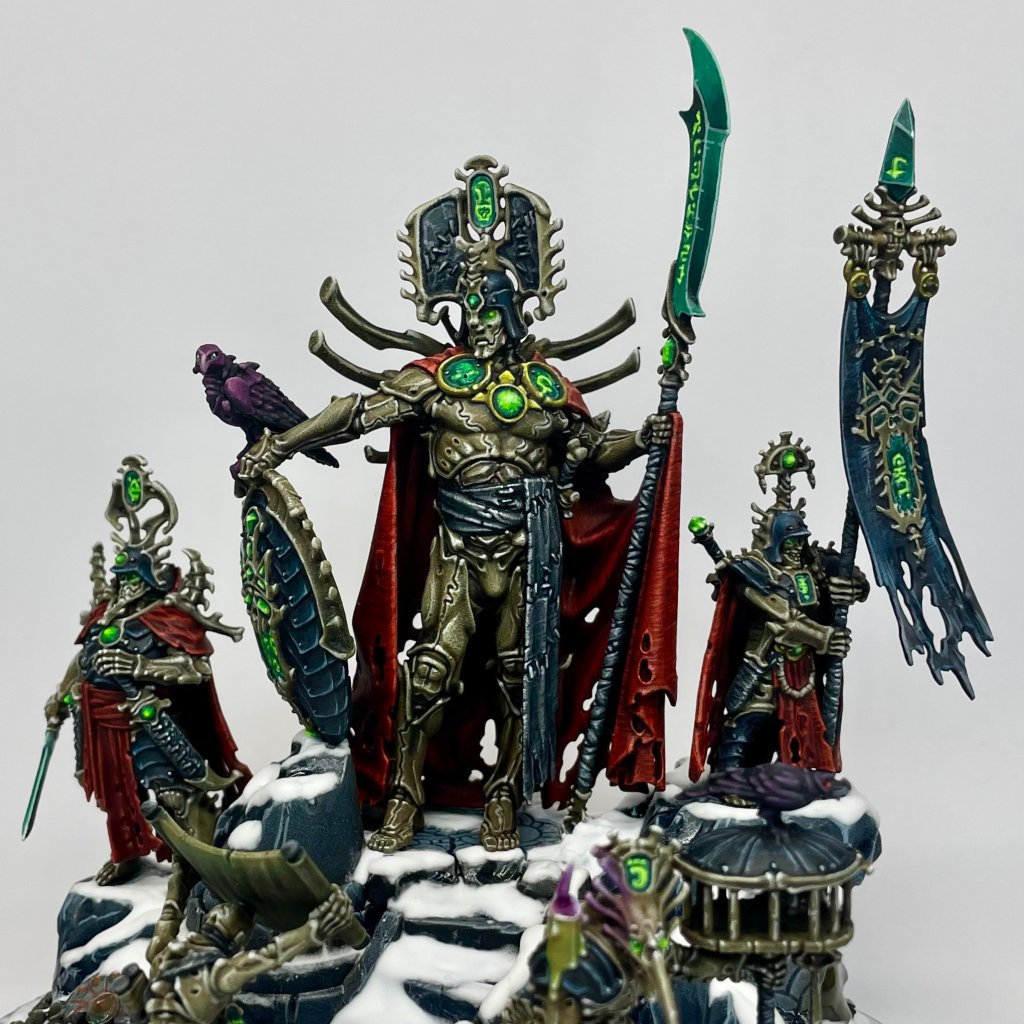
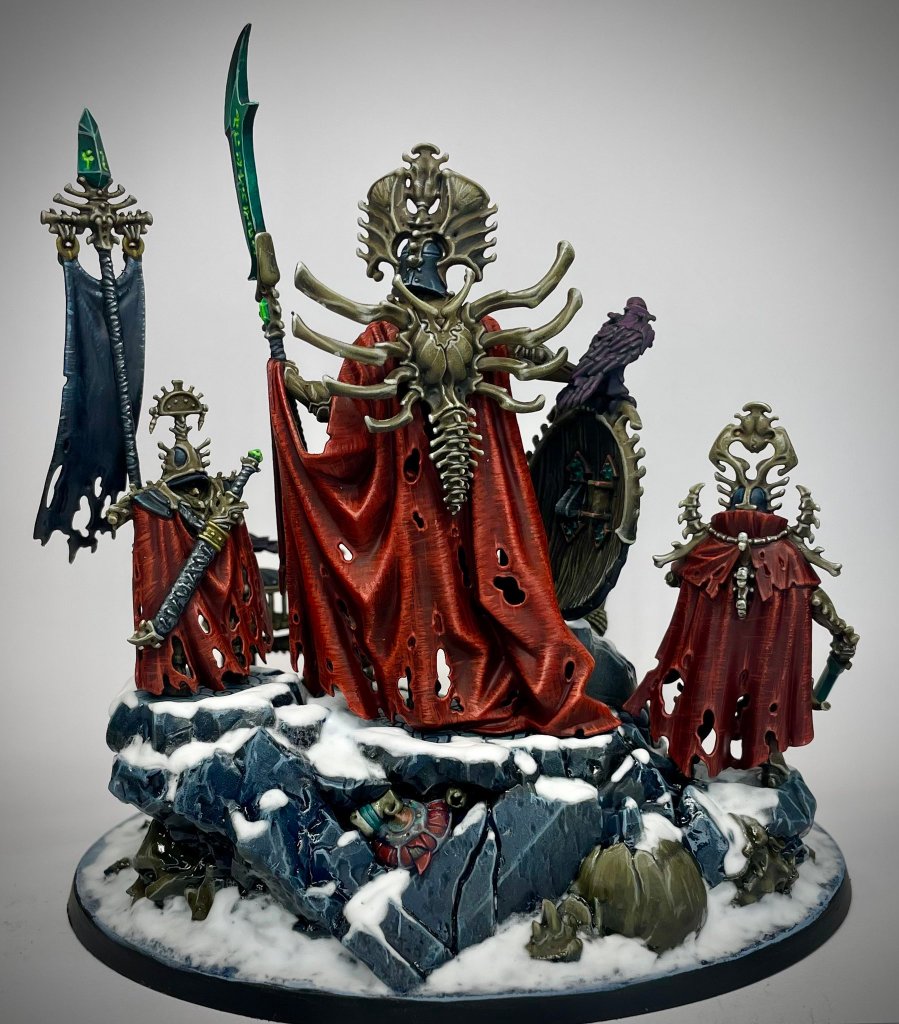
Some Models in AoS are a full range of scales to work on
Scaling Up Your Skills
Painting miniatures at different scales is like cross-training for your artistic abilities. Smaller models teach precision and patience, while larger ones encourage boldness and experimentation. By exploring various scales, you’ll enhance your brushwork, texture understanding, color blending, and overall painting proficiency.
So whether you’re tackling tiny 6mm warriors or embracing the challenge of a majestic 54mm figure, each experience contributes to your growth as a miniature artist. Embrace the diversity of scales, and watch your skills soar to all new heights.

If you’d like to help us continue our work, we’d love to have your support. All Patreon Tiers include Discord access, exclusive articles and regular contests. Our Tiers are priced to be within everyone’s reach, so please click here to join us today!



 Plastic Craic
One thought on “Working at Scale: A Primer to Model Scales”