
Letting go of something you love is hard.
Even when that thing is “just toy soldiers”.
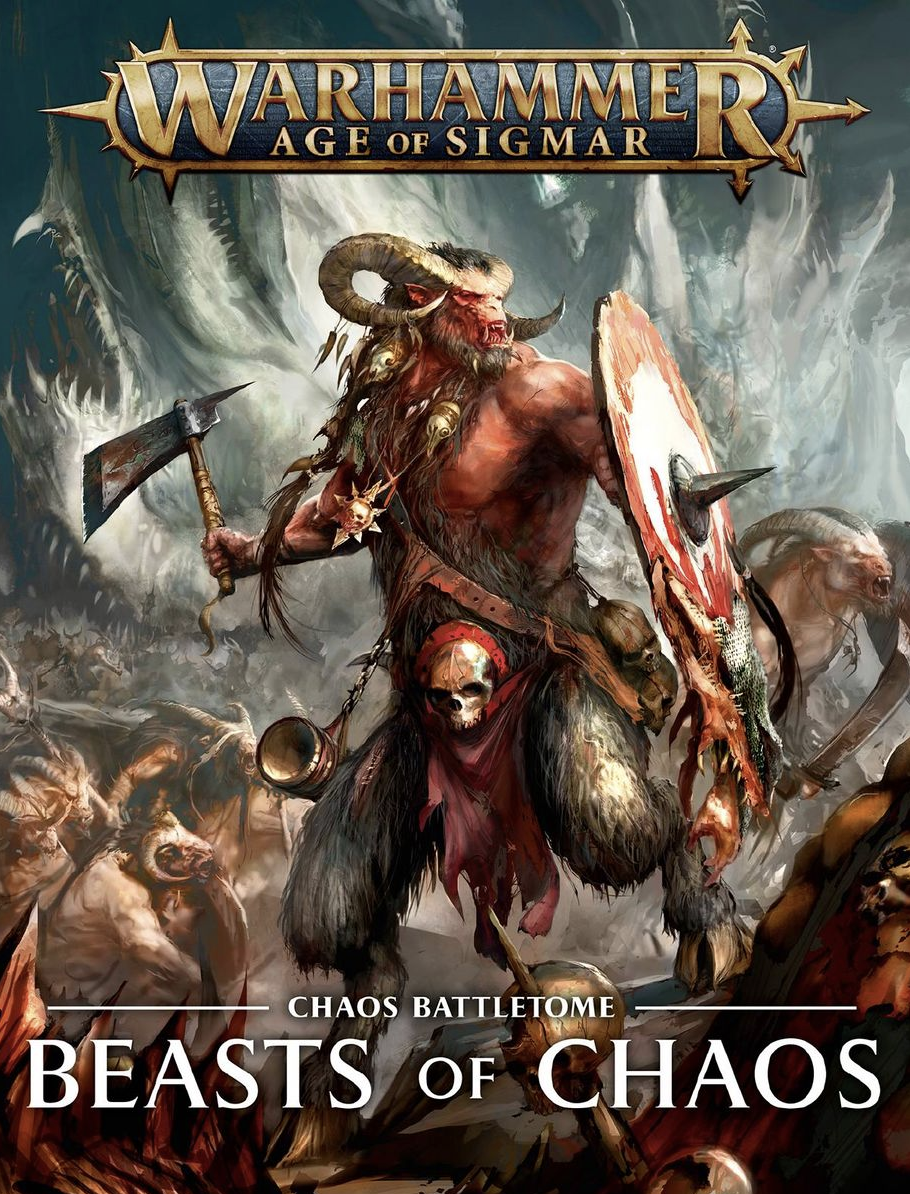
At the end of 2025, I’ve found myself looking at my Beasts of Chaos sitting quietly in their cases, no longer legal in the game that defined them, and feeling a genuine sense of loss. I have other armies. I’ll keep playing Age of Sigmar. But Beasts of Chaos were different, and I’m not convinced I’ll ever have quite as much fun pushing models around a table again.
Inspired by Pete’s excellent Bonesplitterz article, I wanted to write down my own journey with Beasts of Chaos—an army that was never popular, often ignored, occasionally broken, but always loved fiercely by the people who played it. The herd was small, but it was committed.
Monsters, nostalgia, and bad decisions
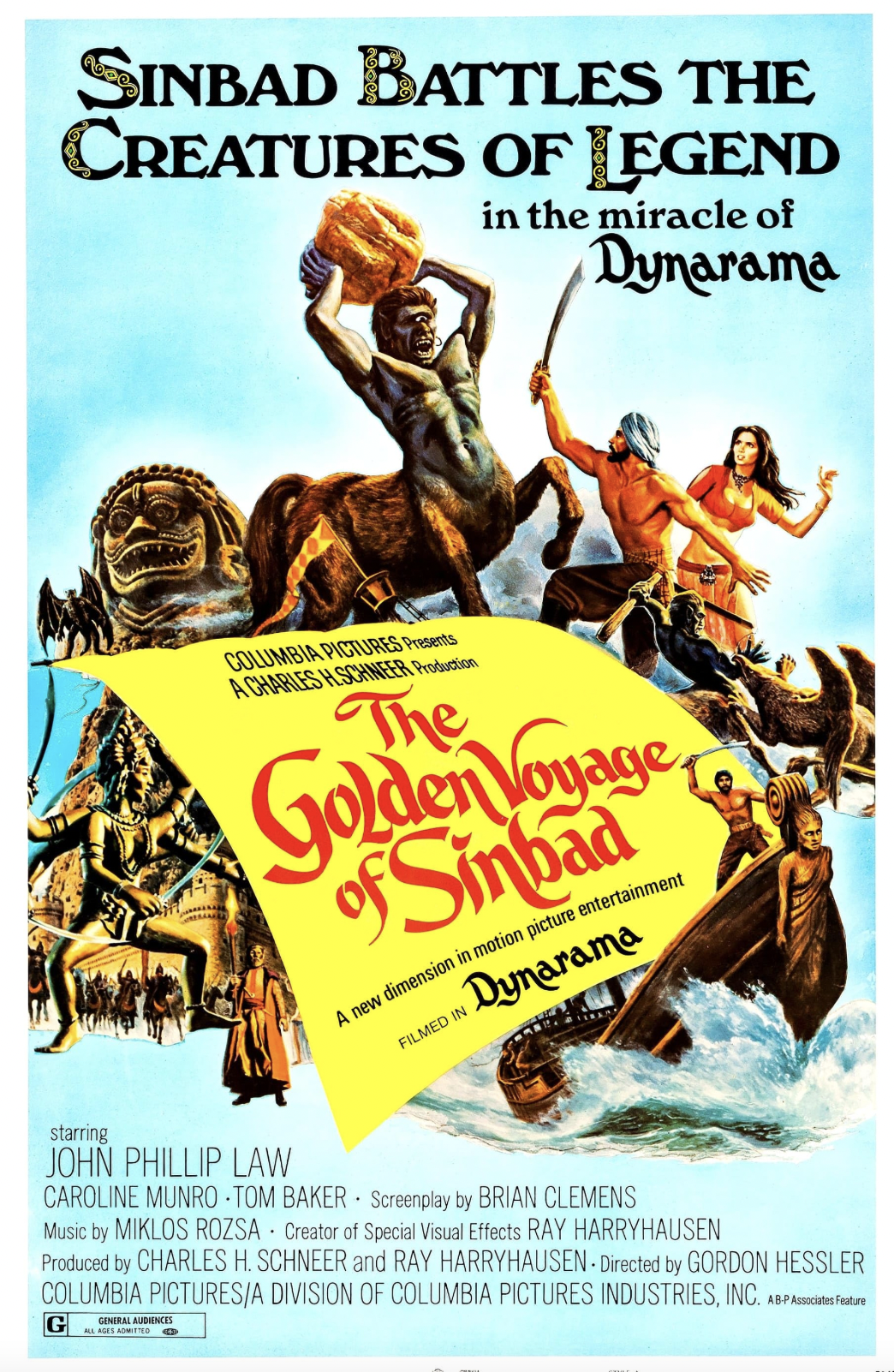
I’m not a deep-lore guy. What hooks me into an army is how it looks, how it feels to collect, and how it plays on the table. Beasts of Chaos immediately hit a nostalgia nerve. They reminded me less of Warhammer Fantasy armies and more of the monsters I grew up with—Ray Harryhausen’s stop-motion creations, Greek myth filtered through Jason and the Argonauts and Clash of the Titans. Goat-men, Minotaurs, Centaurs; half-myth, half-nightmare, lurking just outside civilisation.
That said, when I first started playing Age of Sigmar in 2018, I wasn’t immediately sold.
Beasts felt like an oddity: old kits, slightly goofy sculpts, scattered rules, and very little love from Games Workshop. You’d see them occasionally folded into Khorne or Slaanesh lists—Brass Despoilers, Depraved Drove—but few people committed fully. Those who did were passionate, but it was clearly an army out of leftfield.
A Battletome and a reason to believe
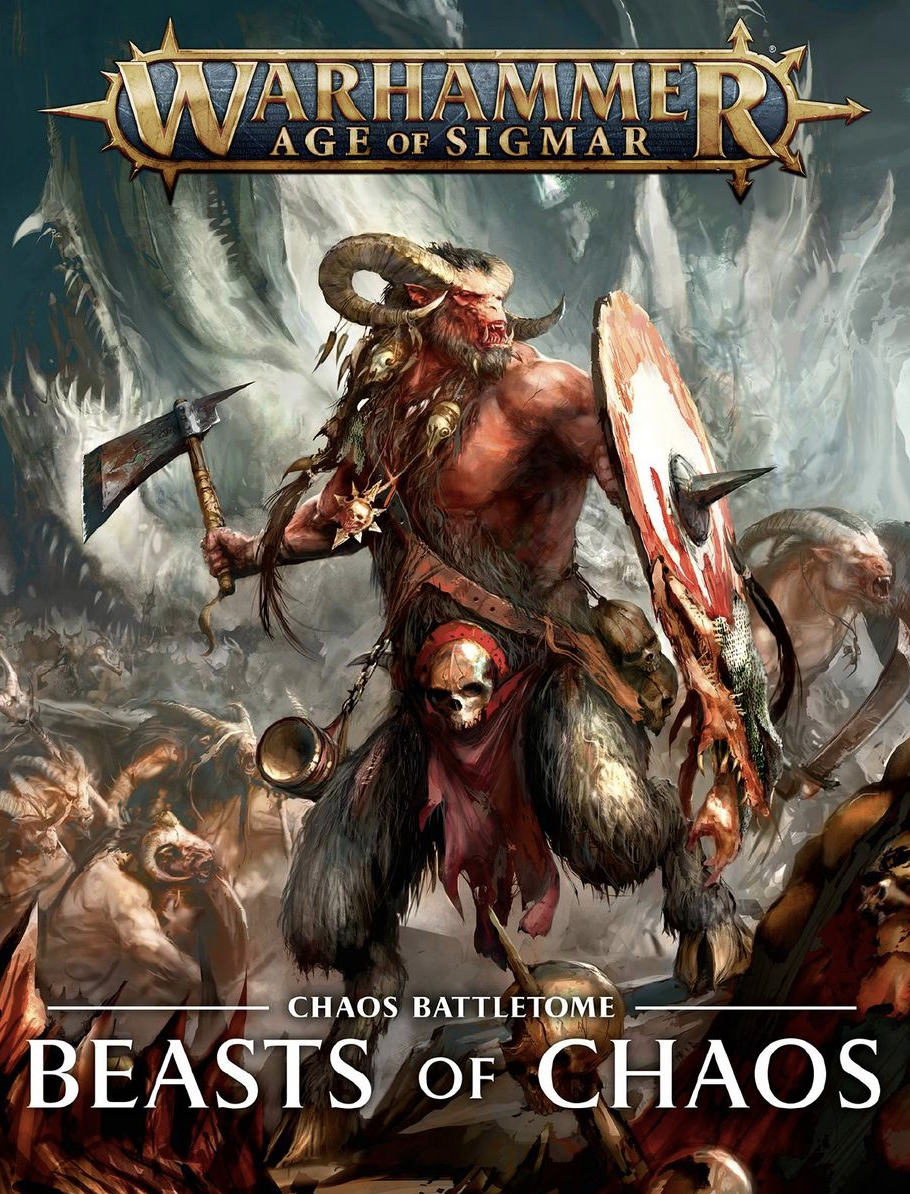
Things started to change with Battletome: Beasts of Chaos in September 2018. Brayherd, Warherd, and Thunderscorn were pulled together, Primordial Call Points were introduced, and suddenly the army had an identity.
Summoning was weird and occasionally unhinged. Great Bray-Shamans became engines, Ungors got fed into Herdstones, and if you leaned into it hard enough things escalated quickly. Charles “Cabbage” Hollom’s infamous “Turn 2 Chimera” list did exactly what it said on the tin.
The army wasn’t oppressive, but it was flavourful and fun. The Herdstone model arrived, the Endless Spells looked great (Wildfire Taurus still rules), and for the first time in a long while Beasts players felt seen.
For a few years after that, Beasts were… fine. Solid, rarely dominant, and not winning many events. Then COVID hit, everything stopped, and when competitive play returned, so did the herd.
With teeth.
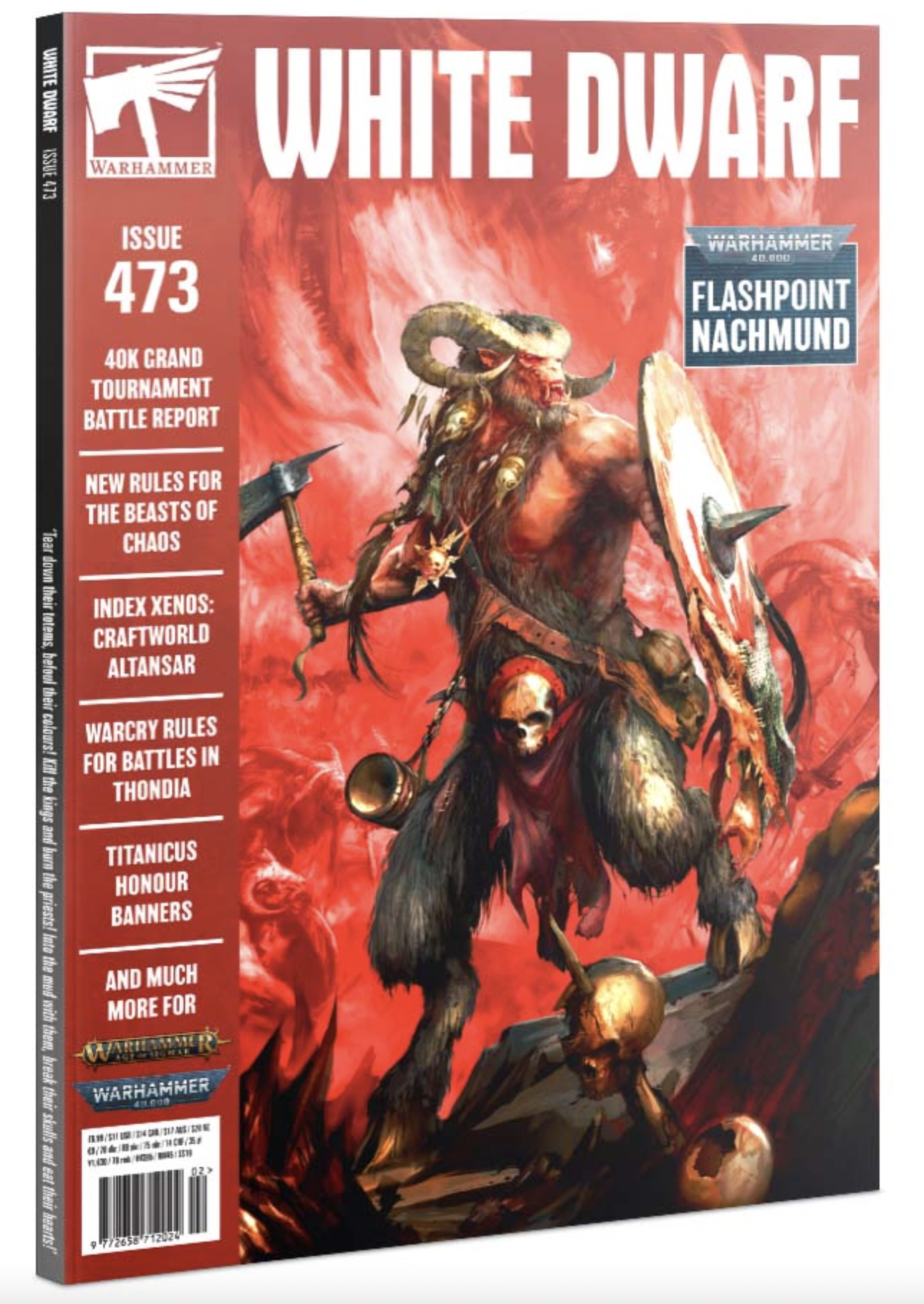
White Dwarf and the rise of the Herdstone
White Dwarf 473 (February 2022) was the turning point.
Entropic Lodestone started handing out stacking rend—Rend 1 early, Rend 2 later—in a meta obsessed with save stacking. Suddenly units like Enlightened on Discs, Bestigors, Bullgors, Dragon Ogors and Tzaangors weren’t just trading efficiently, they were deleting things.
Locus of Savagery gave the army absurd staying power, rallying full models back on a 4+ near the stone. Primordial Roar kept the summoning ticking over. Beasts went from a quirky ambush army to a proper hammer-and-anvil force with a terrifying late game.
This was when I jumped in properly.
Eight weeks, no sleep, Prague
At the time, I was playing for the Welsh National Team and stubbornly trying to make Nagash work. He wasn’t good enough. Something had to change.
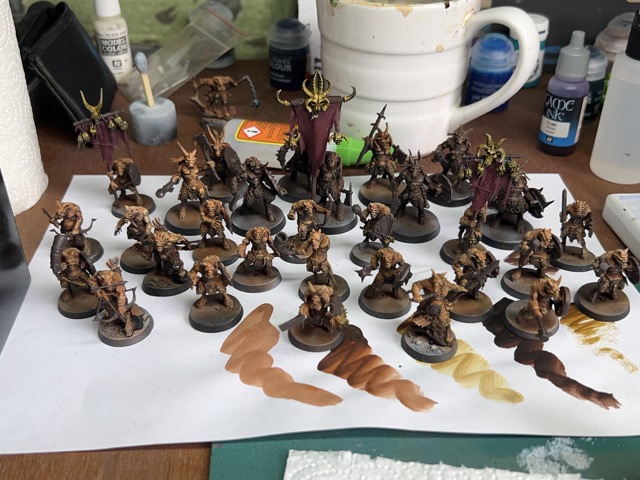
After a practice weekend in Cardiff, I left with a box of Beasts and a genuinely terrible idea: build, paint, and fully prepare a Beasts army plus summoning pool in eight weeks for Worlds in Prague.
It was rough. Very rough. Late nights, constant Discord calls, and a massive thank you owed to Dan Arnold, who essentially hobby-sat me through the final stretch and even came up to London along with Greg to help base the army.
Somewhere in the middle of that chaos we won the Justice Teams event in Liverpool, I went 5-0, and it became very clear just how strong this army actually was.
I finished painting the night before my flight.
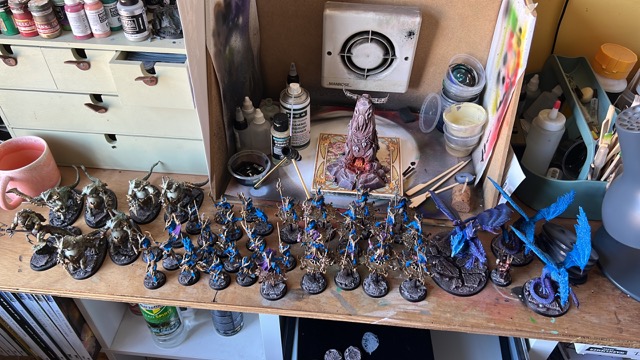
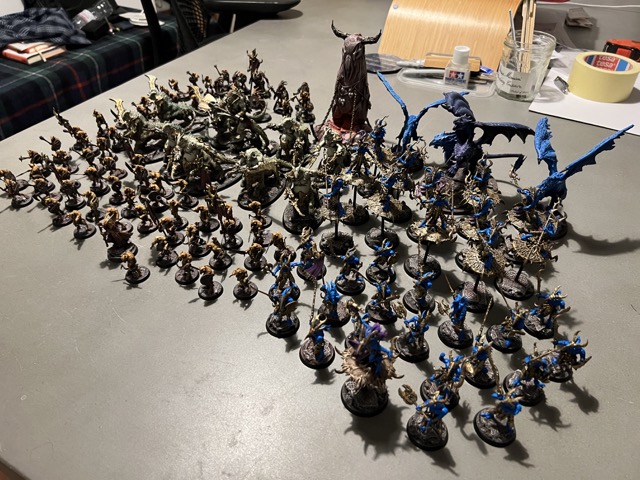
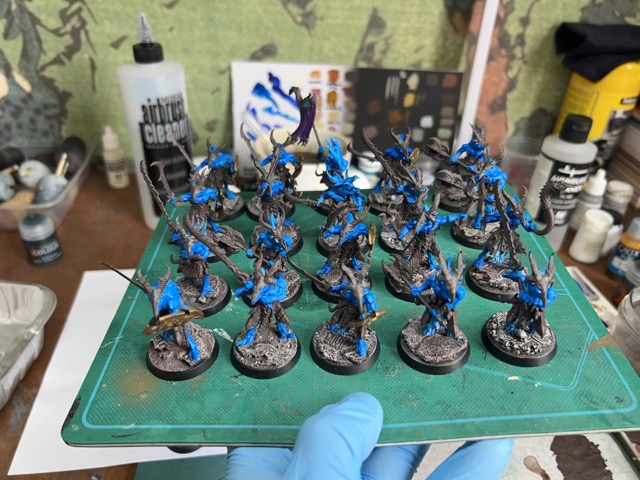
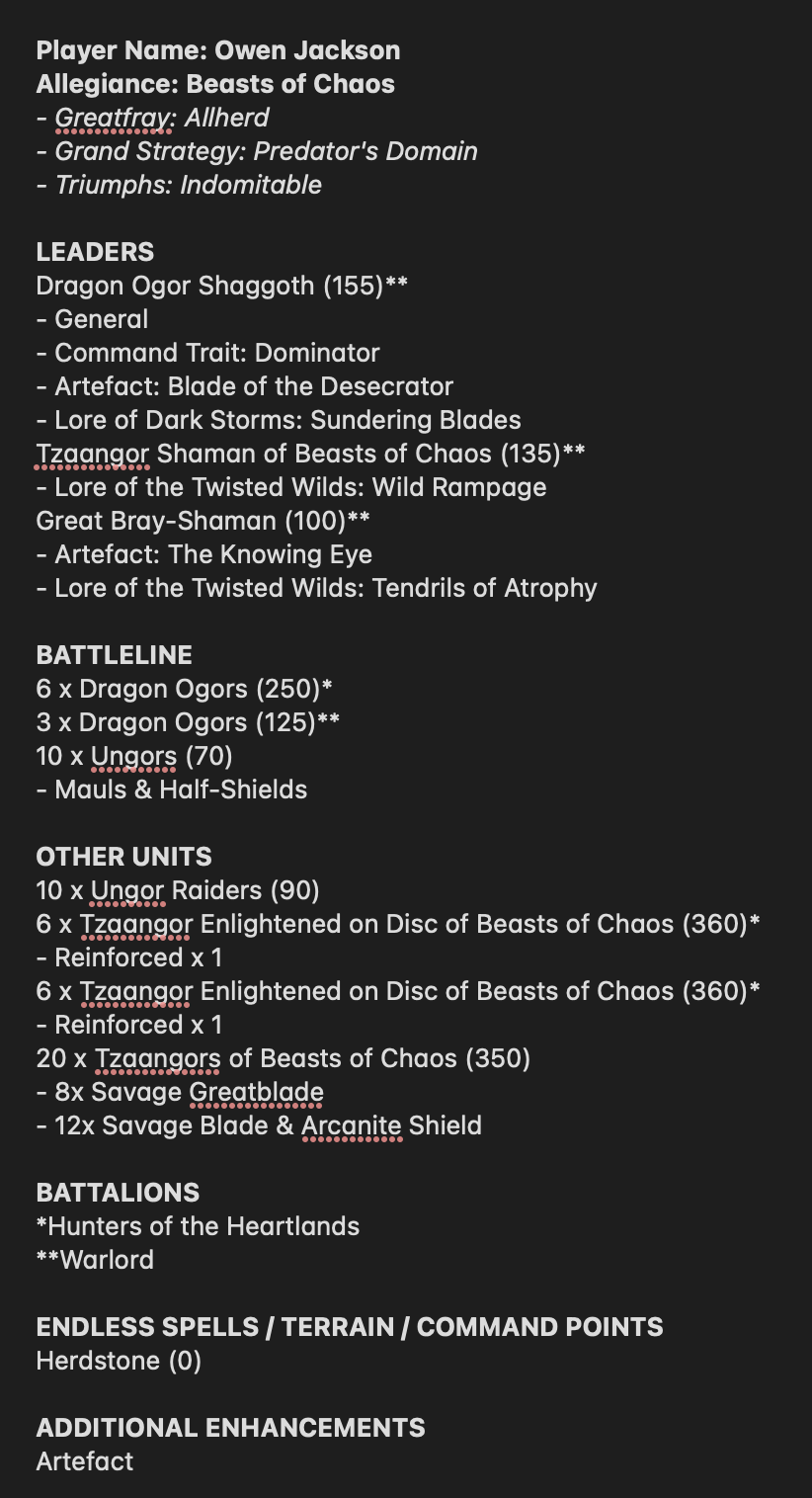
The list leaned into what Beasts did best at the time: a solid castle, incredibly fast hammers, and summoning to control tempo. I wasn’t good enough yet to truly maximise it, but a 3-3 finish felt fine.
Naturally, I then decided Beasts were too good and moved on.
Rituals of Ruin and peak nonsense
September 2023 dragged me back.The new Battletome was here, and I was excited.
Summoning was gone, but it was replaced with Rituals of Ruin, and this is where Beasts became something truly special. A hero could perform a Ritual every hero phase—even from off the board—and the sheer level of disruption was unmatched.
Warping Curse let you snipe heroes with D6 mortals. Blood Taunt, though, defined the army.
Dragging a unit 2D6″ out of position from off the board was a nightmare for opponents. Screens disappeared. Castles collapsed. People deployed to stop you rather than play their own game, which is exactly where you want to be in AoS.
Blood Taunt combined with Bullgors was where the real joy lived. Drop outside 7″, charge reliably, spike mortals, charge again, more mortals on impact and get chopping, then use Be’lakor to shut down the counter-punch. No armour, no safety net—just violence.
Be’lakor was effectively a Beasts warscroll at this point. Full null-deploy lists created some of the strangest openings in the game: one model on the table, everything else waiting to punish a mistake.
The best years
The 2023–24 season was incredible. Events across the UK, Europe, and the US. Fourteen GTs. A faction that perfectly suited my reactive, counter-punch playstyle.
A 5-0 second place at Bloodshed in the Shires earned me a golden ticket and remains one of my proudest results. Beasts were strong, but still under-represented, and rumours of their removal kept many players away. I didn’t care—I was having the time of my life.
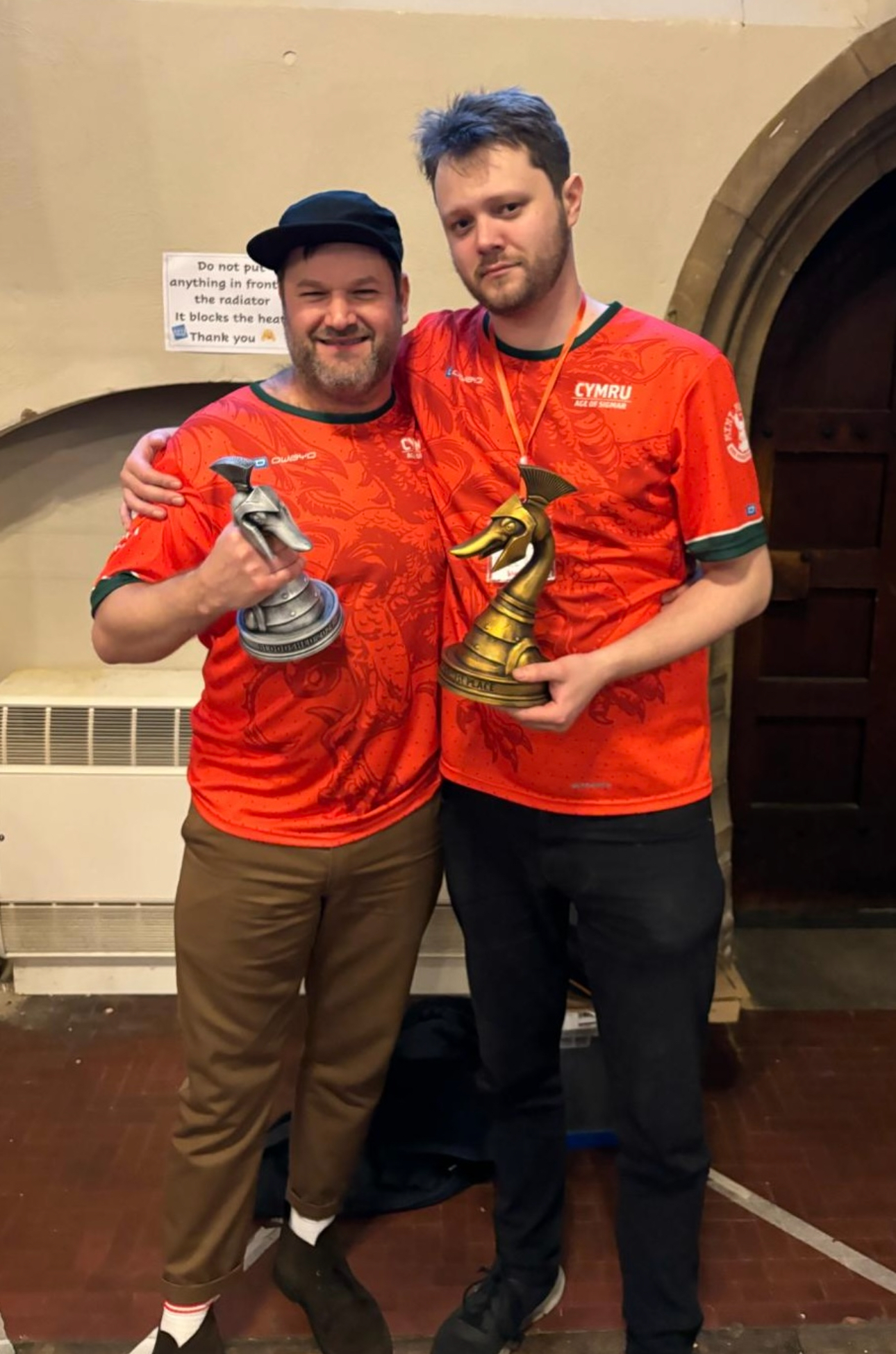
At Worlds 2024, Beasts gave me my most memorable game with the army: a mirror match against my friend Pete where a perfect Turn 1 board lock meant most of his army never deployed, sealing a 20-0 team win. Completely absurd. Entirely Beasts.
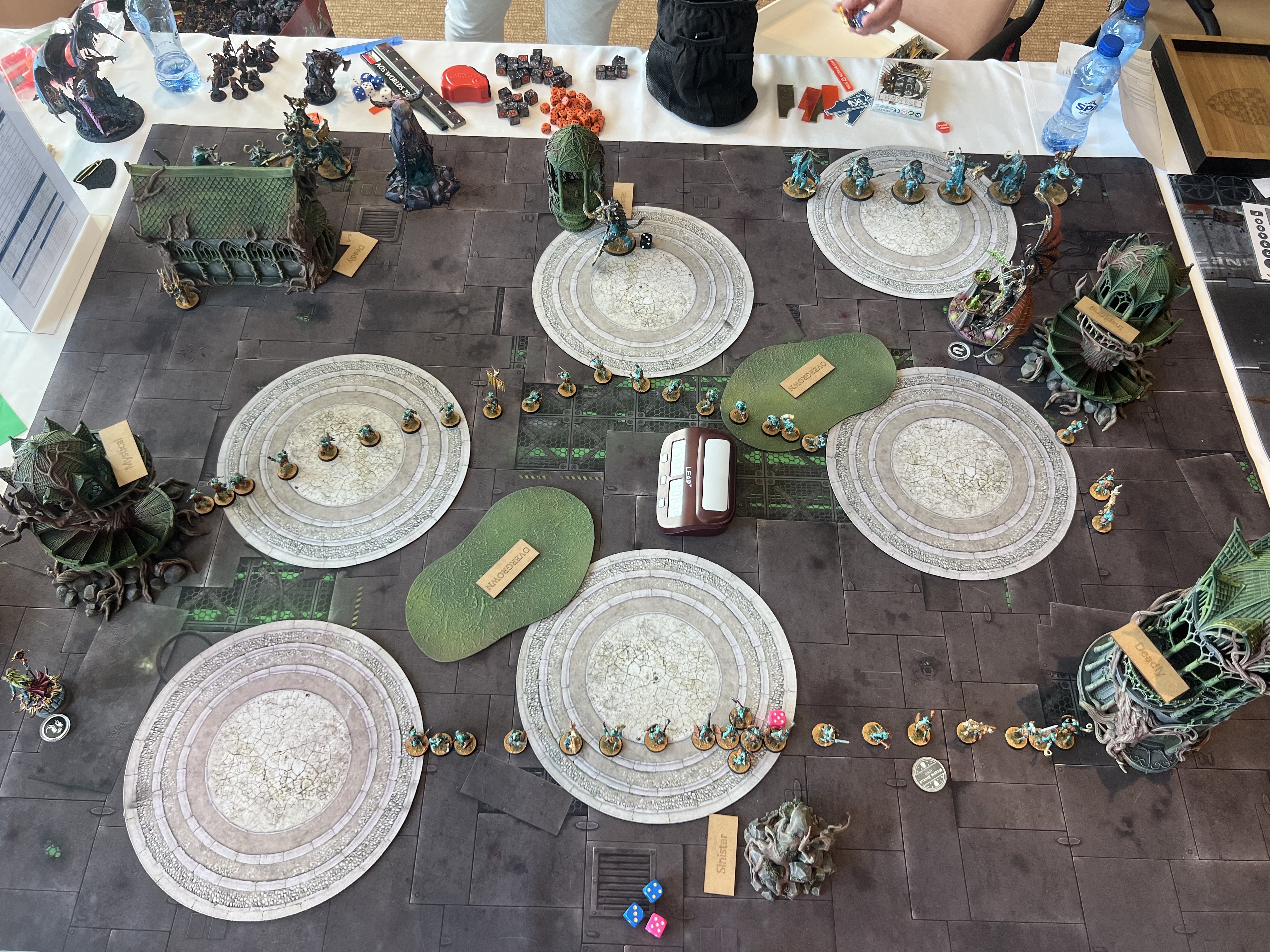
The final ruleset in June 2024 felt like a farewell tour. Still punchy, still tricksy, less abusive but brutally efficient. Bestigor bricks took over. Centigors became my pet unit. The sunset tour took me to Stockholm, Nashville, and beyond, with undefeated team events and the realisation that I barely knew how to play Age of Sigmar anymore—but I knew Beasts of Chaos.
Then it ended.
What Beasts of Chaos were
June 2025 arrived, and Beasts of Chaos were gone.
No fanfare. No send-off. Just gone—like an Ungor slipping back into the treeline. The new General’s Handbook felt cleaner, tighter, more controlled.
And maybe that’s the point.
Beasts of Chaos were messy. Disruptive. Unfair. They rewarded creativity and punished mistakes brutally. They made people uncomfortable, and that discomfort was part of their identity. Maybe they were never meant to survive in a more sanitised Age of Sigmar.
Writing this has been bittersweet. During my time with Beasts, my life changed massively for the better, and they’ll always be my army.
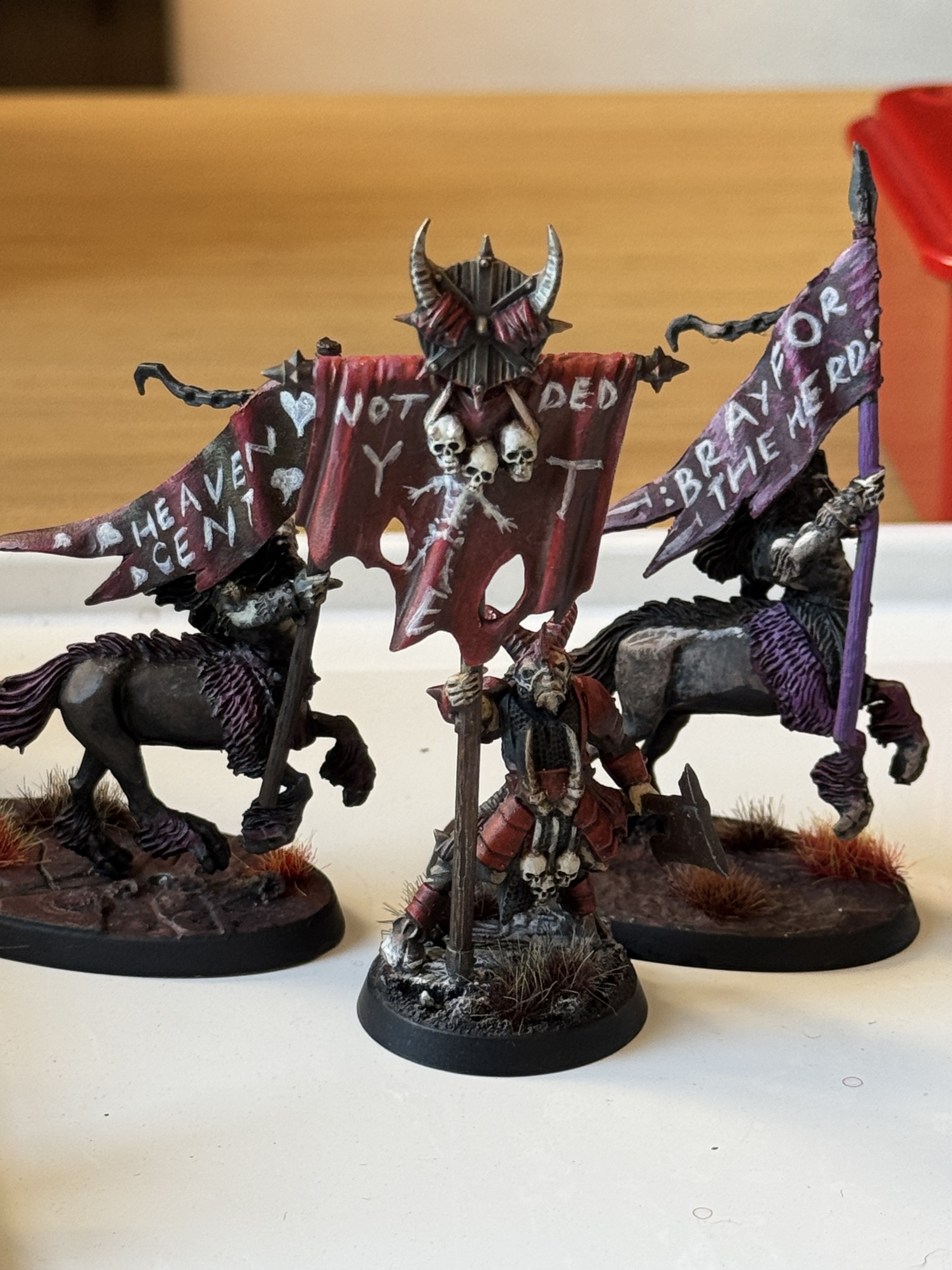
Finally, a thank you to the players who inspired me, lent models, built lists, and kept the herd alive:
- Charles Hollom
- Adam Mumford
- Angus Brain
- Freddie Leggit
- Dan Bradshaw
- Ric Myhill
- Casper Karlsmose
- Joel McGrath
- Sam Gould
- Jiwan Noah Singh
- Dylan Therriault
- Matt Nguyen
- Gavin Grigar
- Jack Rush La Rue
The herd was small.
But it was glorious.

If you’d like to help us continue our work, we’d love to have your support. All Patreon Tiers include Discord access, exclusive articles and regular contests. Our Tiers are priced to be within everyone’s reach, so please click here to join us today!


 Plastic Craic